


I love jazz, but I’m not a musician. So, I don’t have the expertise and vocabulary to give you the musical take on the fabulous concert I saw Saturday night. But I am a communicator, and I can tell you all about great communication — and that’s exactly what this concert was.
Let me fill you in.
Saturday night, singer Hazel Mitchell-Bell — one of Washington’s “first ladies of jazz” — appeared in a private concert along with acclaimed pianist Janelle Gill, drummer J.C. Jefferson, Jr., bassist James B. King, Jr., and saxophonist Lyle Link. A tight, talented line-up that sold out the room.
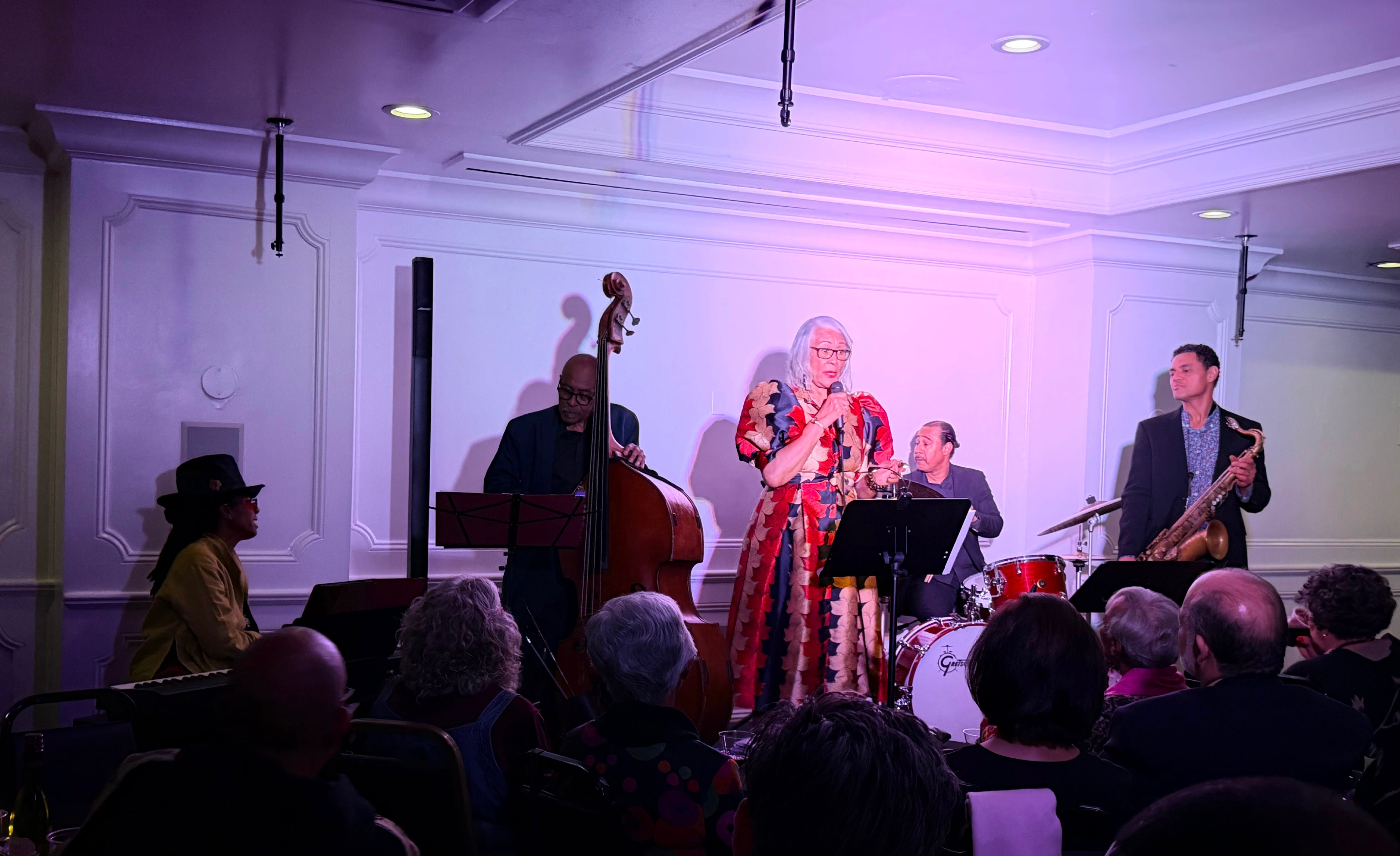
Billed as “A Musical Tribute to Nancy Wilson,” they ended up delivering a broader, more adventurous concert that included songs like Nina Simone’s Four Women and Johnny Mercer’s Skylark.
As it happens, I don’t think Skylark, which is on Mitchell-Bell’s 2018 album Stronger Than Ever, was actually on the set list, but it showed how the “conversation” on stage worked so well.
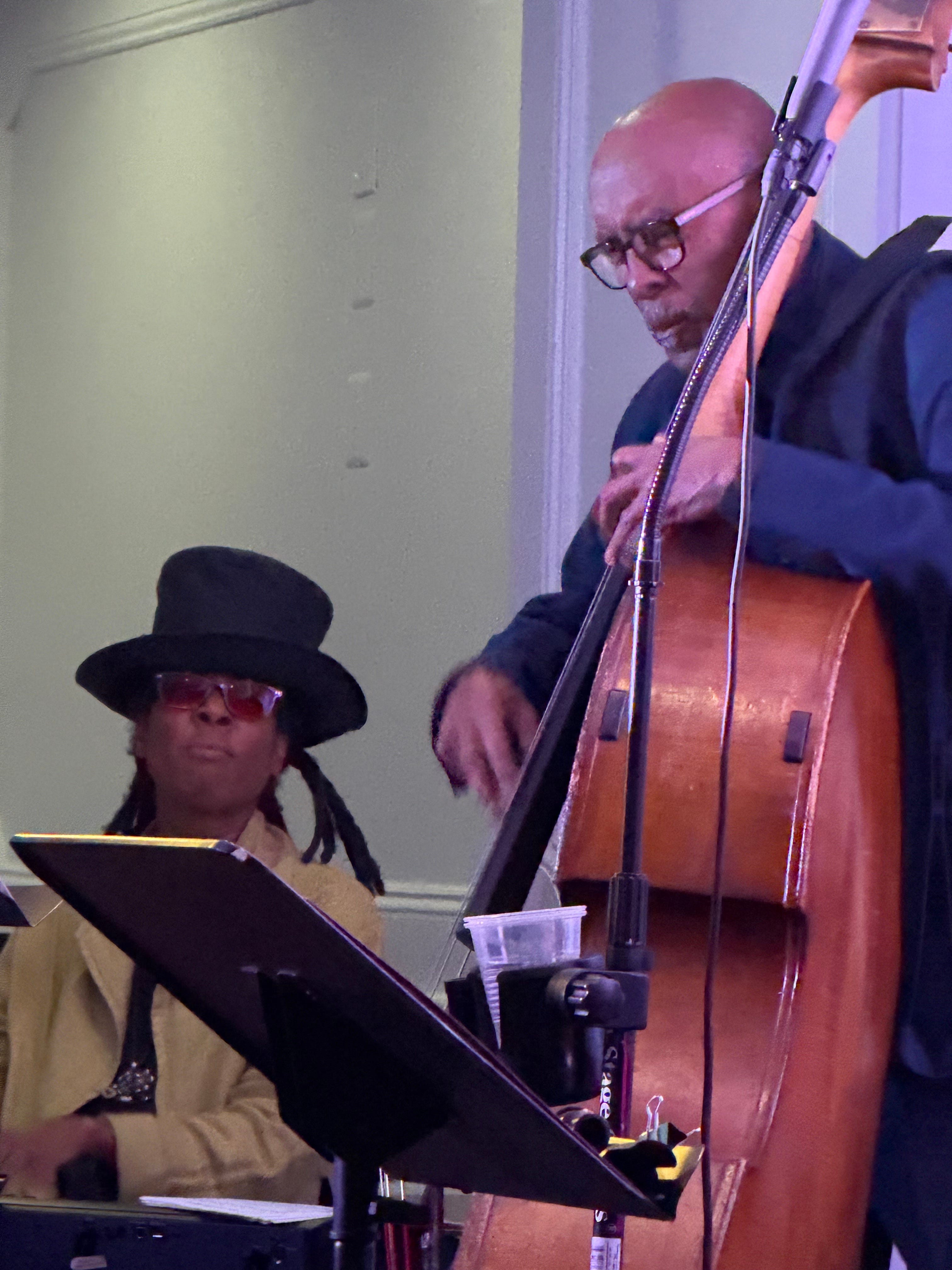
Toward the end of the second set, Mitchell-Bell called an audible and announced that they were going to play it after a request. It’s a jazz standard, so I’m sure these seasoned musicians were all familiar with it, but I thought I saw a glimmer of “Really? Skylark? Okay…” flash around the stage.
After Mitchell-Bell told Gill what key she wanted, Gill smiled and set the tempo with a long, elegant intro that previewed the song’s main themes and changes.
A lightbulb went off in my head: “Wow, it’s like she’s briefing them — and us — on the song to come.”
I could see the other musicians tracking it, nodding along as they considered their next move — Jefferson even stretched back and swapped his drumsticks for brushes as he picked up on the plan Gill was laying down.
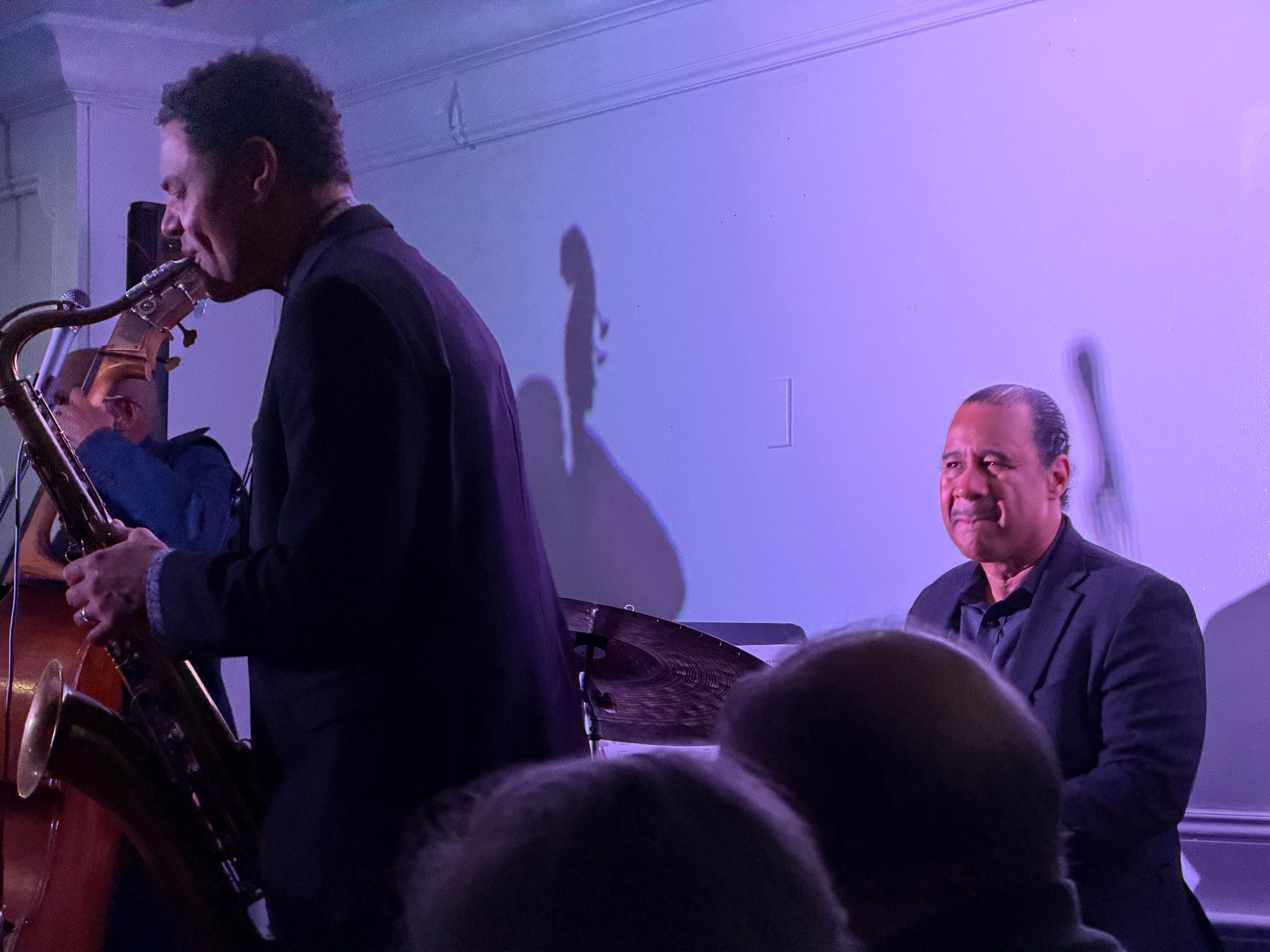
After Mitchell-Bell finished the first verse, Link stepped forward and brought the sax to his lips, ready to harmonize with her. But instead, he held back. I watched him thinking as he waited, still poised to play. I saw Gill glance up at him, then she played some harmony. That acted like a beacon, and Link immediately started to harmonize, too.
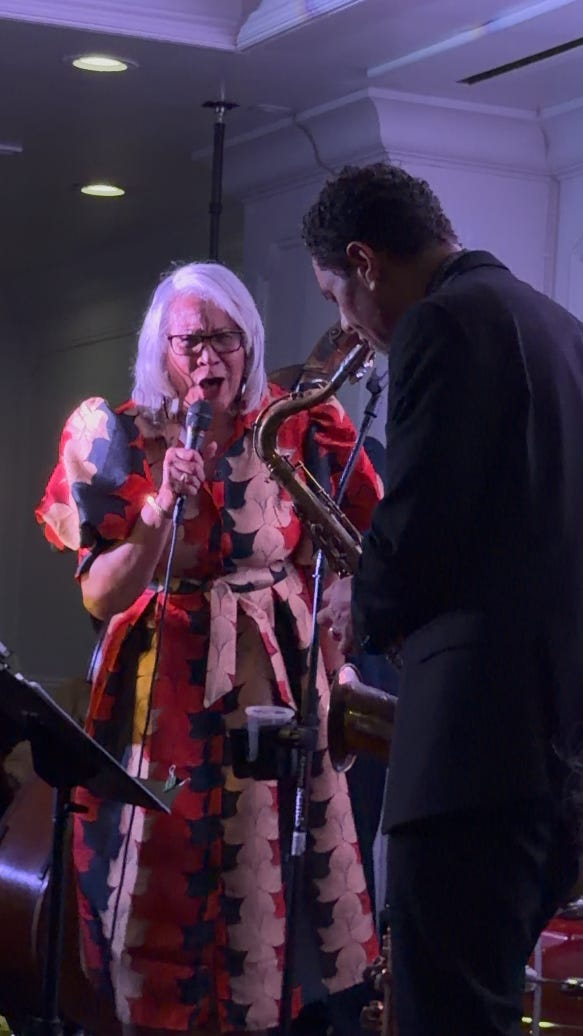
They watched and listened to each other and created a great performance. They made it happen not only through talent and expertise, but by communicating across the stage and improvising as they went.
Corporate communicators have all experienced this situation. A CEO stands up in the middle of a public meeting and says, “And as a surprise today, we’d like to share some news about our upcoming widget factory announcement…’ R&D looks up to say, “What? We’re not ready to announce that.” Accounting is thinking, “We don’t have the budget approved!” Meanwhile, legal hasn’t even reviewed the lease.
But the PR team just smiles bravely and says, “That’s a great idea. Let me provide some background to frame what we’re talking about…” Set the tempo. Play the themes and changes. Communicate the plan.
It reminded me of a comment Wynton Marsalis makes at the beginning of the first episode of Ken Burns’ Jazz series:
“A group of people can come together and create art — improvised art — and can negotiate their agendas with each other. And that negotiation is the art…We can have a conversation. We can speak to each other in the language of music.”
I just wish my meetings sounded that good.
Fantastic review and insights about this performance! It reminded me of icon Leonard Feather's writings about jazz -- reviews, analyses and many books, including "The Encyclopedia of Jazz", "From Satchmo to Miles", "Inside Jazz", and the exhaustive "The Biographical Encyclopedia of Jazz". These and more were among my personal library for decades. Many thanks!!