


Data centers are in the headlines these days, especially here in the Washington, D.C., area, where Northern Virginia has become ground zero for booming data center growth.
But they’re controversial. In Loudoun County, Virginia, for instance, data centers now generate almost 40% of county’s revenue — a boon, but a risky situation that puts all the fiscal eggs in one basket.
It was a major issue in this week’s elections, too. On November 4, Loudoun County Democrat John McAuliff squeaked past incumbent Republican Gerry Higgins, flipping a House of Delegates seat that the GOP held for decades. McAuliff based his entire campaign on taming data centers — a fact that anyone within earshot of his campaign commercials in recent months already knows.

It’s not just the politicians — this is a movement. As a communications strategist who has tracked policy groups and activists over decades, I’m seeing a pattern here: concerned citizens, who worry about health effects, real-estate values, and other life-changing issues, don’t get the answers they want, and they become hardened opponents, the kind who haunt public meetings and dog corporate officials at shareholder events.
They don’t fade away, and they don’t sell out. But they do make friends. Enter opposition groups.
The Union of Concerned Scientists’ (UCS) Senior Energy Analyst Mike Jacobs wrote a piece this week about his report that appeared earlier this fall showing how local utilities are shifting the cost of connecting data centers to the grid onto consumers. Jacobs notes that since his study appeared, bipartisan support is growing in Congress and the Trump administration for a Federal Energy Regulatory Commission (FERC) rulemaking to reform large-load connections.
But in October, Lawrence Berkeley National Lab released a study showing the opposite — data centers actually put downward pressure on consumer rates, since adding large customers to the grid can buy down costs for everyone.
Also this week, Nuclear Information & Resource Service (NIRS), a longtime anti-nuclear group, posted a piece on its social media calling for “accountability and public power focus” with links to a story about an Oregon woman fighting utilities PacifiCorp and Idaho Power over a rural transmission line that could serve a data center.
Other groups, including Greenpeace and the Sierra Club, are getting into the fight against data centers, too.
Does any of this ring a bell? If you’ve ever followed anti-nuclear activism, it should: UCS and the national labs go back and forth on technical issues, while NIRS, Greenpeace, the Sierra Club, and other anti-nuclear groups arm concerned citizens with media support and grassroots lobbying.
In fact, is the fight about data centers even about data centers with these groups? That Oregon woman NIRS highlighted is fighting PacifiCorp, which is turning to advanced nuclear reactors to fill future energy demand, and Idaho Power, where the state — home to Idaho National Laboratory — is pursuing “nuclear energy excellence” for future generation needs.
The same is true with the Sierra Club. The group’s Virginia chapter is railing against Dominion Energy — obliged to serve all these Northern Virginia data centers — which is considering both small modular reactors at its existing Surry nuclear plant and the country’s first fusion reactor at another site.
Other Sierra Club chapters are mounting campaigns against data centers — but mainly the nuclear plants associated with them — in other areas. The group’s Iowa chapter, for example, has activated against NextEra’s plans to restart the Duane Arnold nuclear plant, shuttered in 2020, as part of a deal to serve Google’s data-center expansion.
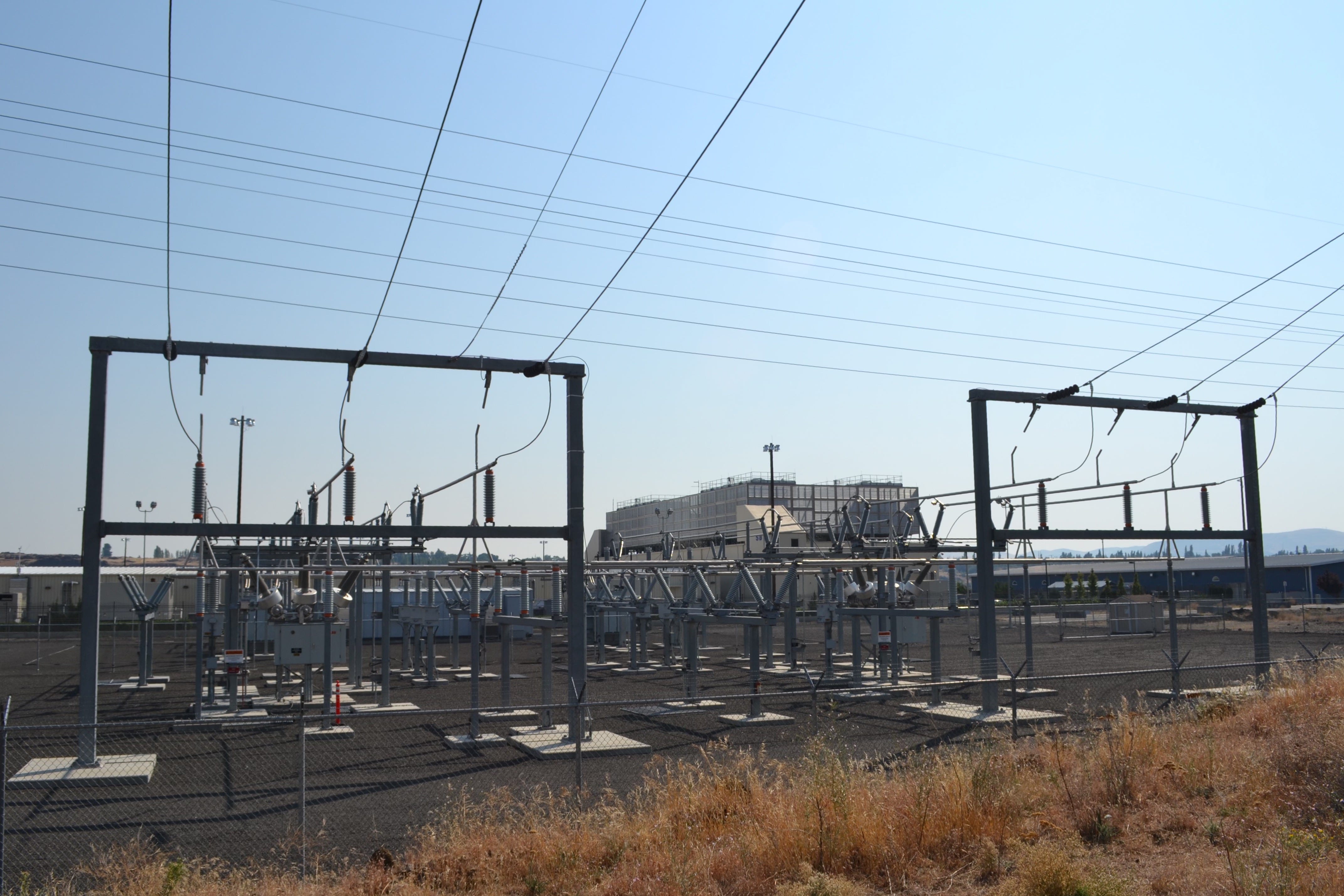
It’s happening everywhere developers look to nuclear plants for data-center power — the same activists who’ve fought nuclear for decades are now linking arms with a whole new group of concerned citizens.
The Hack Mule take: The old nuclear-activist network is rebooting itself for the data-center age — and utilities that learned to handle reactor politics may soon be the savviest operators in tech. Stay tuned.